
Textbooks and apps appear effective for learning French, yet many learners struggle to speak with real people. A conversation club changes this, transforming passive knowledge into active use. For adults, a regular French speaking course focused on dialogue bridges the gap between understanding and confident speaking.
This guide explores how conversation circles work, what happens in sessions, and why they accelerate progress beyond self-study alone.
Why Speaking French Often Feels Like the Hardest Skill
Reading and listening develop more easily due to lower pressure. You can pause a video, re-read a sentence, or skip exercises. Speaking demands immediate action: choosing words, building sentences, managing pronunciation, and reacting within seconds.
This pressure makes communication-focused French speaking classes effective. They simulate this natural stress constructively, offering guidance and correction. Over time, your brain develops automatic French responses, bypassing direct translation from your first language.
What Happens in a French Conversation Group Session
A good French conversation group is structured, not random chatting. Sessions typically include:
- a short warm-up to switch your brain into French
- guided discussion around a topic (travel, work, food, news, daily life)
- targeted pronunciation or grammar focus based on real mistakes from the group
- a closing activity where everyone speaks, even the shyest students
In mixed-level groups, the teacher ensures beginners receive simpler questions and advanced learners tackle complex tasks. Participants practice talking, listening, polite interruption, asking for clarification, and reacting, mirroring real conversations.
Tailoring French Conversation Practice to Your Level
Conversation clubs suit all levels, not just confident speakers. They adapt to diverse learning needs.
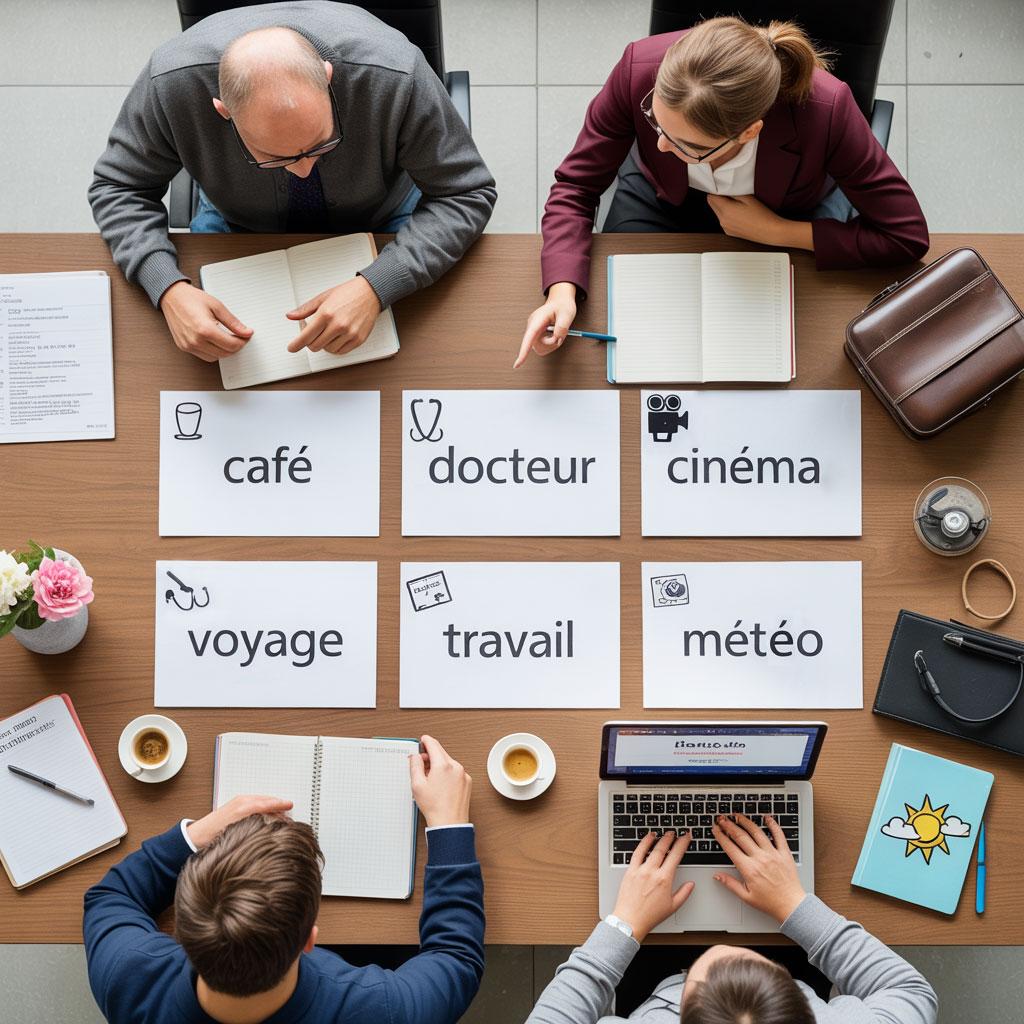
For absolute beginners, the focus is on basic conversation in French: greetings, introductions, simple questions, ordering food, and discussing routines. French conversation classes for beginners often use role-play, simulating situations like cafes, shops, doctor’s appointments, or immigration offices.
Intermediate and advanced learners focus on expressing opinions, arguments, and nuances. A conversational French course at this level covers work, interviews, studies, presentations, and daily life in a French-speaking environment. Students practice polite disagreement, longer answers, and reacting to unexpected questions.
How Regular Conversation Practice Builds Confidence
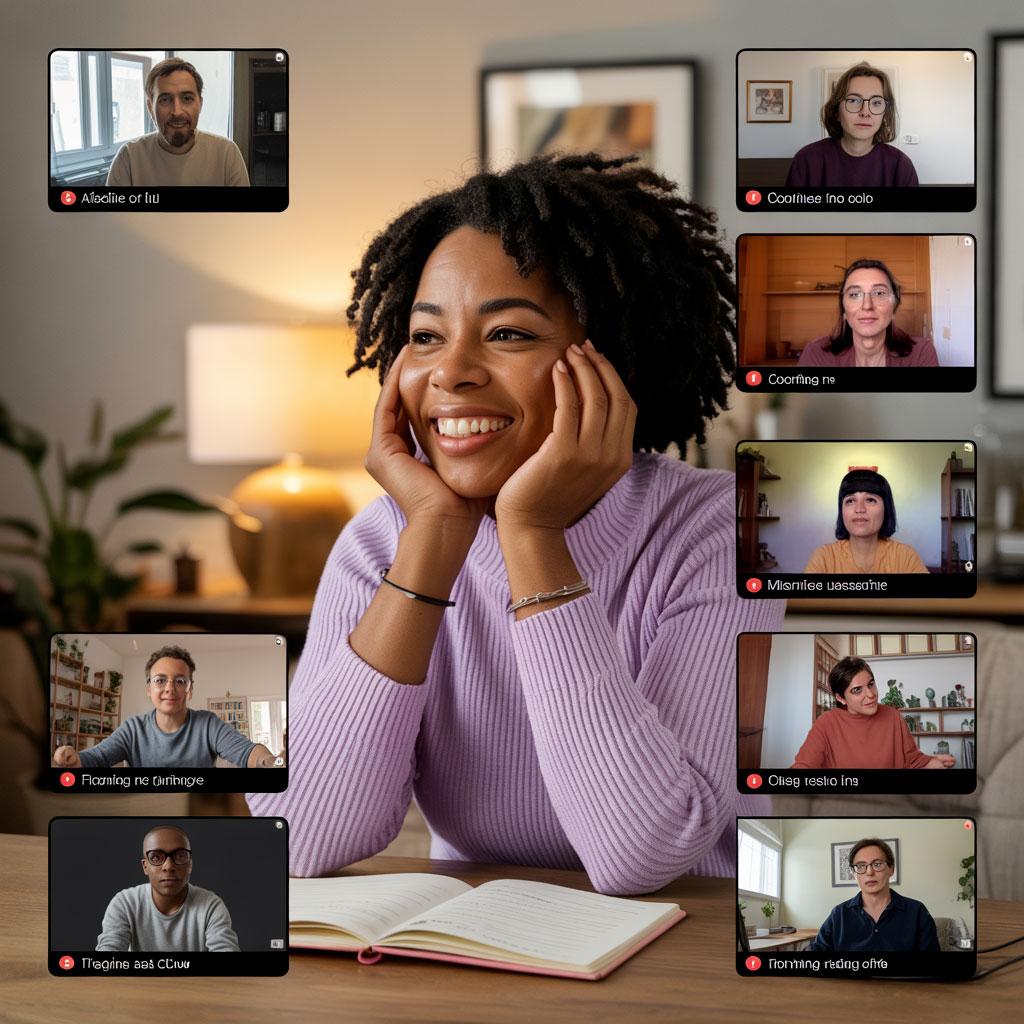
A key benefit of French conversation classes is emotional, beyond linguistic gains. Many adults with good grammar still fear appearing foolish or slow, thus avoiding speaking. In a conversation club, all participants share this experience. Mistakes are anticipated and gently corrected.
During regular practice, repeating useful phrases makes them second nature. You learn others also forget words, mix tenses, and ask for repetition. This shared experience reduces anxiety, making it easier to speak French with colleagues, neighbors, or officials outside the classroom.
Activating Your French: From Passive Knowledge to Active Speaking
If you know many words but rarely use them, a conversation club transforms passive vocabulary into active use. Sessions are designed for repeated use of specific structures and vocabulary with each new topic.
For example, sessions focus on themes like past experiences, giving advice, or expressing plans. You practice speaking French with targeted prompts and follow-up questions. After weeks, these structures become automatic, enabling fluent responses without conscious tense selection. You no longer think “Which tense do I need?” – you just answer.
Group vs. One-to-One: The Benefits of French Conversation Classes
Useful, private lessons offer a controlled setting with one familiar teacher. Groups expose you to diverse accents, speeds, and communication styles, simulating real-life interactions more closely.
In French speaking classes with several learners, you learn to initiate conversations, request repetition, ask for clarification, and respond to differing opinions. Group dynamics assist shy students; they can listen, answer shorter questions, and gradually form longer replies.
Online vs. In-Person French Conversation: Which is Right for You?
Both online and in-person options are effective. Online clubs suit busy adults and those outside French-speaking areas. Offline meetings offer face-to-face contact and social interaction.
Many schools offer hybrid programs, combining weekly online lessons with monthly in-person meetings. Consistent exposure and active participation are crucial, regardless of the platform.
How to Choose the Right Conversational French Course
Consider these key points when choosing a French speaking program:
- Small groups, ensuring everyone speaks in every session.
- Clear topics and objectives for each meeting, avoiding chaotic chatting.
- A teacher who corrects mistakes gently but consistently.
- Activities engaging all students, not just the loudest ones.
- Option to combine group sessions with a tutor for specific needs (exams, work, interviews).
Beginners should seek structured programs, not just open mixed-level evenings. Comfortable speakers should find groups discussing complex themes like culture, politics, work-life balance, or current events.
How a French Discussion Group Supports Long-Term Progress
Conversation clubs function optimally within a broader learning system. Integrate self-study: reading, films, apps, vocabulary revision at home. Conversation practice then tests this knowledge in real-time. Teachers identify common errors, offering brief explanations or mini-lessons.
Over several months, this cycle – self-study, group discussion, correction, and repetition – ensures stable progress. The impact is evident in work, exams, and daily interactions.
Why Start Your French Conversation Journey Now
If your French progress stalls at understanding but not speaking, a conversation club offers an efficient solution. Regular French speaking classes provide structure, feedback, and motivation. A supportive group fosters safe practice until dialogue feels natural, not stressful.
With steady attendance and a bit of homework, your speaking transforms from a weakness into a strength in French.
How CECFQ Helps You Practise Speaking French
Conversation is fundamental to CECFQ’s learning process. After a free online placement test, an examiner recommends a tailored mix of speaking classes, general courses, and workshops. Prepare for immigration exams, practice daily communication in Quebec, focus on work, or combine all three.
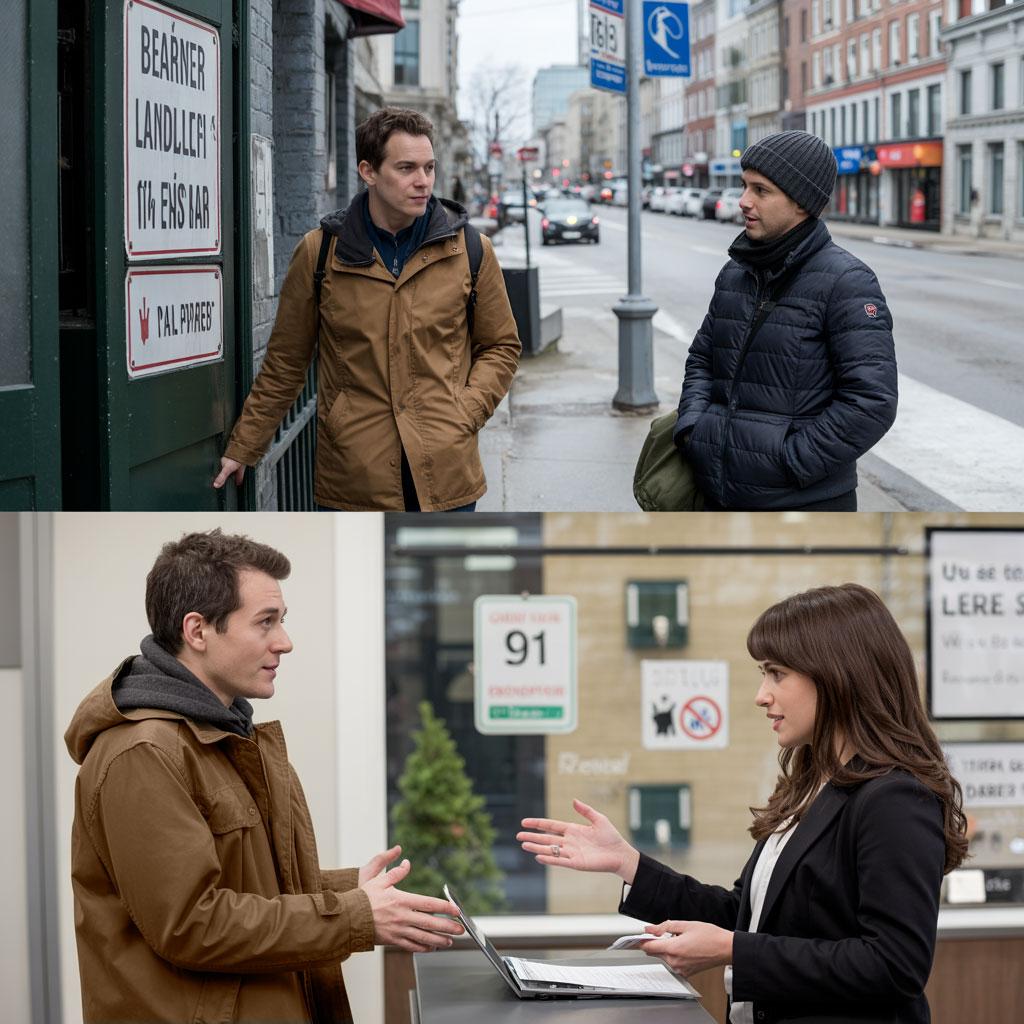
Small groups ensure active participation and specific feedback for all. Sessions simulate real Quebec scenarios: contacting landlords, public services, managing appointments, and colleague interactions. This ensures immediate, practical application of your progress.
For specific skill development, individual lessons address pronunciation, listening pace, exam tasks, or professional communication. Certified examiners support you across structured groups, exam programs, or combined formats, ensuring practical and useful speaking skills for daily life in Quebec.
FAQ
Q: Are French conversation clubs suitable for complete beginners?
A: Yes. Many clubs and schools, including CECFQ, offer beginner-focused groups where you practice essential situations like greetings, introductions, ordering food, and simple daily routines with lots of guidance and repetition.
Q: How are conversation classes different from regular French lessons?
A: Regular lessons often focus on grammar explanations and written exercises. Conversation classes prioritize real-time speaking, targeted correction, and practical scenarios so you can react quickly in French, not just understand rules.
Q: Will I get enough speaking time in a group setting?
A: In well-structured small groups, every participant speaks in each session through warm-ups, guided discussions, and closing activities. The teacher actively involves quieter students so no one can “hide” in the background.
Q: Can conversation circles help with immigration or work-related French in Quebec?
A: Yes. Programs like CECFQ design activities around real Quebec contexts – appointments, public services, housing, and workplace interactions – so you practice exactly the situations you’ll face in daily life and exams.
Q: Is online conversation practice as effective as in-person meetings?
A: Both formats can be highly effective. Online clubs are ideal if you have a busy schedule or live outside French-speaking areas, while in-person discussion groups offer more face-to-face contact. Consistency and active participation matter more than the platform.
Ready to finally speak French with confidence instead of just understanding it?
Book your free online placement test with CECFQ and let our certified examiners recommend the right mix of conversation classes, general courses, and workshops for your goals in Quebec. Join a small, supportive group, practice real-life scenarios every week, and turn your French speaking into a genuine strength.